The Overall Score: 'Pragmata' characters endear players
By Marek Reynolds
May 1, 2026
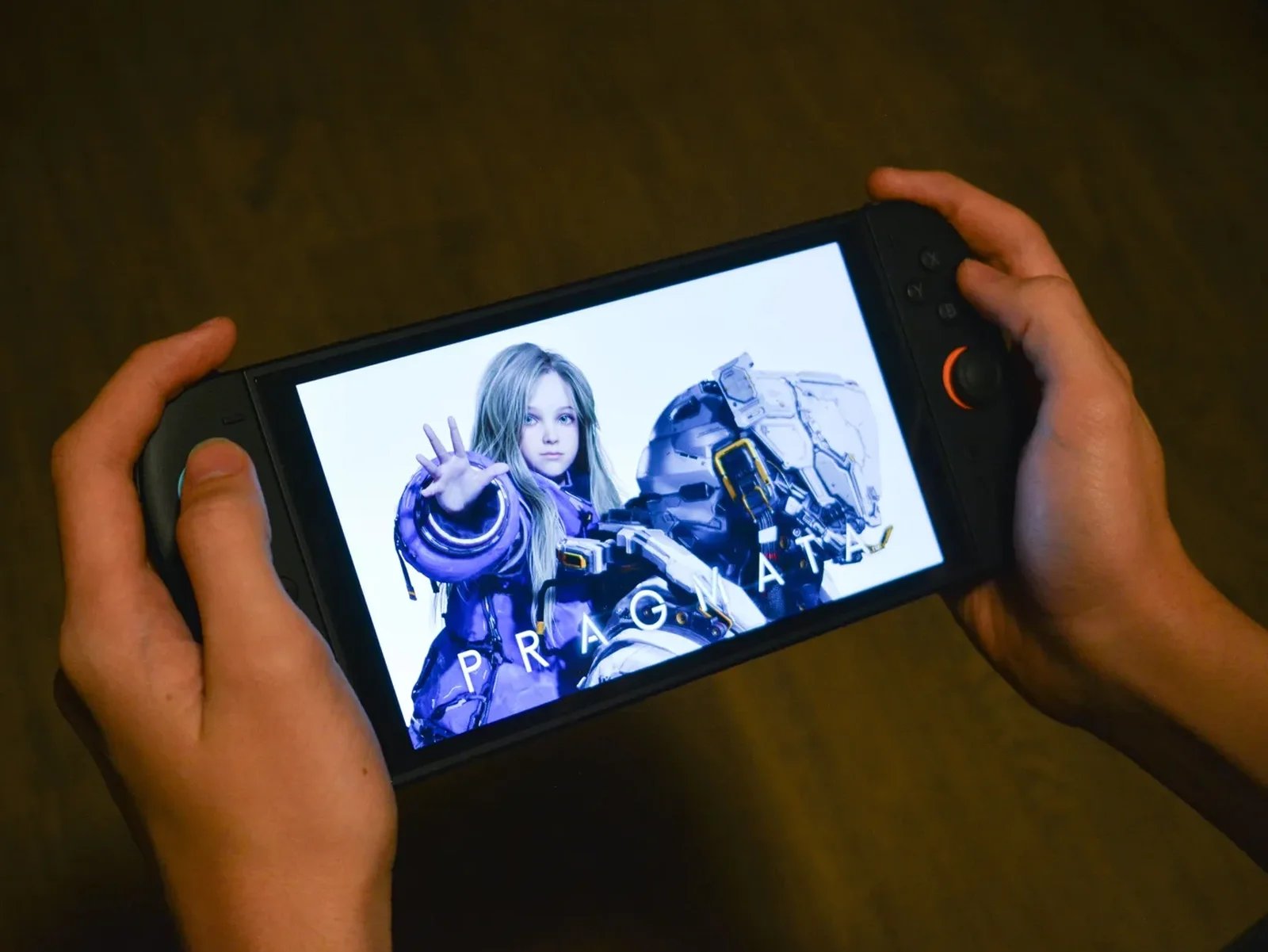
Capcom's newest IP, “Pragmata,” is an intense third-person shooter game that adds a hacking element to the combat and a sweet father-and-daughter-like dynamic between the protagonists. The story itself may not feel very fresh, but it keeps most players wanting to see the amazing relationship between the main characters. Some sweet moments and lifelike conversations throughout add a lot to the game's core and its great combat system makes a strong impression on players, offering room for expansion in the future.
The player plays the character of Hugh, and he and his team are sent to the moon to check on a 3D printed lab/station that has seemingly lost contact with Earth. When they arrive, they learn that a rogue AI system has taken control of the base and robots there, turning them violent and leaving no humans alive. When the team is then attacked, Hugh is the only survivor. Hugh is left injured and stranded until a humanlike robot girl, Diana, comes to help with her hacking abilities and uses them against the robots. The two team up and set their goals to contact Earth to tell them what is going on and to escape the moon.
The initial setup starts strong, introducing players early to the world they are playing in and the clear problem at hand. Yet, they do not expand on the environment of the game beyond the introduction. Players can find notes and holographic messages, but they hold back on giving players too much information. The game is easy to follow and while it is not groundbreaking, it has the nostalgic feel of a PlayStation 3-era linear game. Players are most likely to keep playing to see how the relationship between Diana and Hugh plays out. It is funny, sweet, and has the players rooting for them from the very beginning. In addition, their relationship is an excellent storytelling device. As they get to know each other, players learn more about Hugh’s time on earth and about Diana’s past as a robot whose memories have been wiped and only knows what is on this lunar station.
Something very notable about the game is that players can collect objects called REMs, which represent real-world objects, that they can give to Diana as gifts. The more gifts players give her and the more time spent talking to her, the more she gives the player fun dialogue and even crayon drawings as gifts. She even changes the shelter that the player goes to to upgrade, train, and collect outfits. These two characters make up for the lack of world-building in the game.
Combat itself is what really sells players and makes the game fun, flashy, and satisfying (not to mention the awesome soundtrack). Diana and Hugh work together to take down the robots and have clear roles that can be upgraded as they explore and collect items. Diana’s job is to follow a grid-like system where she can collect perks that allow her to do more damage to the enemy robots — such as stun, confuse, and overheat them. Once Diana completes the hack, the robots are exposed for a period so Hugh can shoot them with various guns and deal more damage to their weak spots. Each gun has clear opportunities for use and a uniqueness, making the combat feel very fluid as the player dodges and hovers. Combat never really gets old, with new robots and new move sets slowly appearing, posing greater challenges to take down as the looming threats grow.
The game is an overall enjoyable experience. While the story may not be very interesting, the father-daughter team between Diana and Hugh does a lot to keep players engaged. In addition, the fantastic combat system that can hook players makes for a great 12-hour-long journey that is new yet somehow familiar.
Overall Score: 8/10
Photo by Sarah Ruzicka