The Overall Score: Did 'Crisol: Theater of Idols' work?
By Marek Reynolds
Feb. 27, 2026
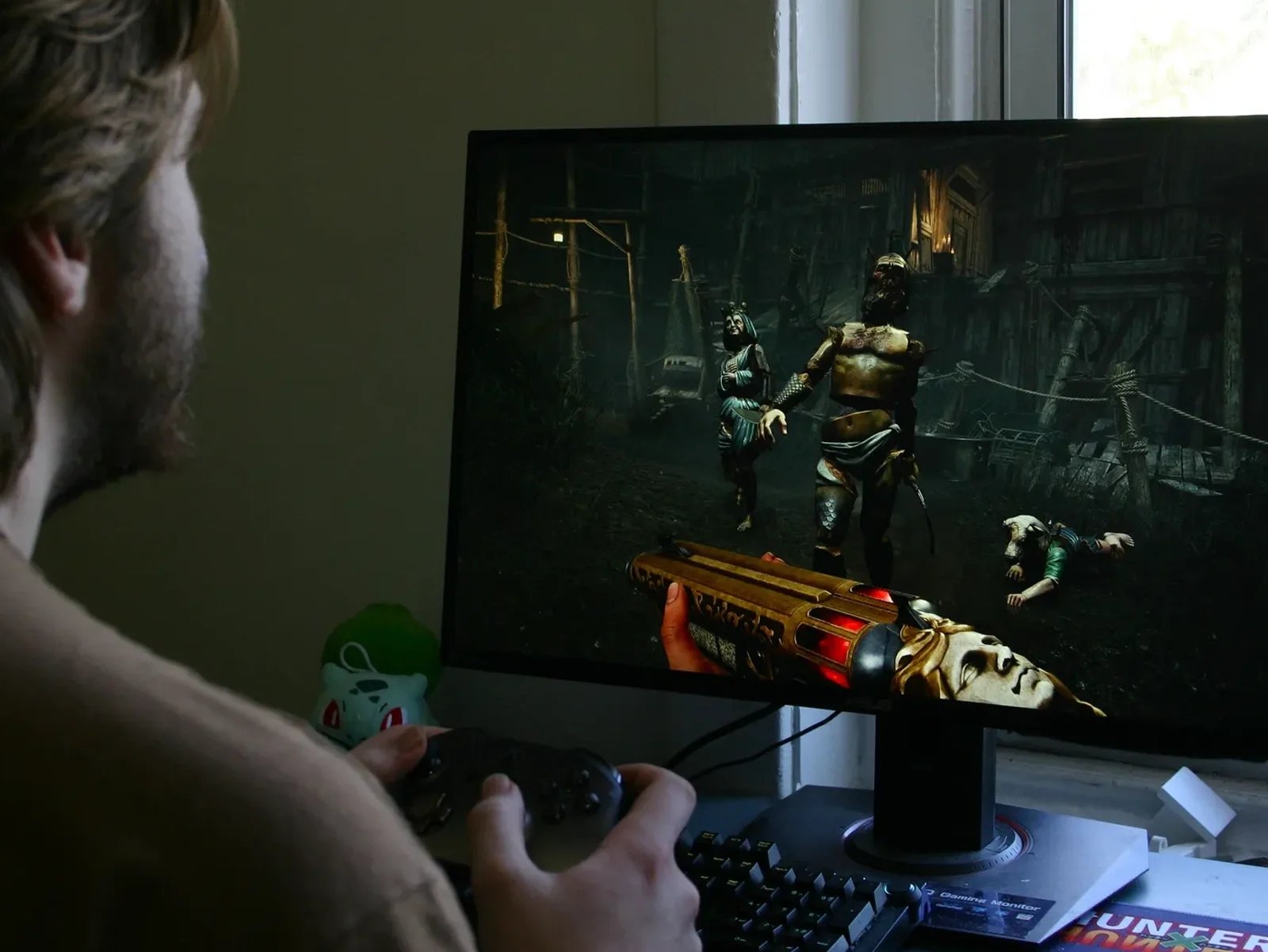
When the initial trailer for the release of the video game “Crisol: Theater of Idols” came out, what was most striking was how the trailer depicted health as the player's weapon. This kind of mechanic in a horror game introduces a different take on the genre itself and adds something new. While the story unfolding in the game was fun, it almost seemed too fake; nothing that is happening in the game world is happening to real people. The story in the game is based on Spanish folktales, which may intrigue players and inspire them to learn more about the people represented in the game. While there were certainly interesting aspects of “Crisol: Theater of Idols,” the game still felt overall lackluster.
The game is played from the perspective of Gabriel, who has crashed on the stormy island of Tormentosa. Gabriel has lost all of his memories except one – a mission from the Sun God to silence the Sea God. The player is given weapons that are embedded with the Sun God’s blood, which allows the player’s own blood to be used as ammo, yet takes away their health in the process. Gabriel meets other members who worship the Sun, more notably Mediodia, who helps him over the radio, and turns the island into an apocalyptic landscape filled with reanimated statues that represent the Sea. Gabriel’s overall goal is to take the blood from four high members of the Sea and put an end to the violence.
The key mechanic of the game that draws in players is how health is managed: it is traded for ammo, which is an engaging game function. While the gunplay is not fantastic, and the weapons are weak no matter how high they are upgraded, it is still a really fun mechanic. The animators did a really good job with the reload animations and making it look like Gabriel is reloading a gun, but he is really sticking needles from the gun into himself to draw blood. Once the player gets into the feel of reloading, shooting, healing, and parrying, it makes for a pretty fun encounter with enemies.
Something that players may find odd about the game is the places it takes them. The level design is not fantastic at communicating to the player exactly where their next goal is; it just tells them that they need something, but not where, or even sometimes why. The game is divided into three districts, then into the final area. In the early parts, the player may need to keep referring to the map to figure out where they need to go or what they need to do, only to find out that some of the destinations are not even on the map. Then, players have a large, indestructible enemy with run-ins here and there, like Mr. X from “Resident Evil 2.” Yet the map is not really designed to have that kind of enemy. While this foe may not result in a scary experience, it could be frustrating. There is one instance where the enemy loops around and the player has to wait inside a building for them to pass, since the enemy is unable to go in, the dialogue “he’s escaped… for now,” is repeated… a lot.
The dialogue in general provided a bit of a user-enjoyment issue. It felt too cartoony and did not even sound like people talking. Players have conversations with Mediodia, who is just an irritating character who adds nothing to the game experience other than forcing sympathy and forcing immature humor. There are even times when Gabriel just sounds like he is talking directly to the player and breaking the fourth wall. If users try to open the door and it is locked: “It should open on the other side.” If they move a mine cart out of the way: “the path should be clear.” This dialogue is hyper-unrealistic and ruins some of the experience, making it feel less immersive. In certain areas, the player also sees visions of people who used to be there and can listen to their conversations to get more lore of what is going on. This portion of the game brought up the same question: who talks like that? When one of the visions is talking to another, it is like they are talking right to the player. They started to sound condescending and overly familiar, asking questions that may as well be “friend, I have known my whole life, why would you betray Sea for Sun, the thing we hate on the island?” Even the events in the game do not seem important. There are dead animals, dead people, everywhere. Not one word is mentioned about it. That is the scariest part of the game, and it is not acknowledged.
There are a few bugs that the user may come across while running the game: the game cannot render the enemies' dying animations when they die from explosives. Gabriel grows an extra set of arms when he gets knocked down, one set being the falling animation, the other holding the gun. All are easy fixes.
The game is fun, and the story is interesting, though players may wish it were told better through the characters and leaned more into the horror of all the death and destruction caused by the conflict between these two gods. The mechanics are what made the game fun, which is not a bad thing, but should not be the only thing that makes a game good. Those who like survival horror and want to try something new may find the game interesting. Those who are seeking an engaging story, however, may not be very engaged.
Overall Review: 6/10
Photo by Lucas Tusinean